Manatee & Acoustic Ecology Lab

Athena Rycyk, Ph.D.

Associate Professor of Marine Mammal Science and Biology

New College of Florida·M.S. in Marine Mammal Science Program

I am a marine bioacoustician, machine learning researcher, and conservation scientist. My work spans passive acoustic monitoring of marine mammals, convolutional neural network design for automated detection across multi-location acoustic datasets, and conservation research that draws on cognitive frameworks to understand how animals respond to anthropogenic threats. I work primarily with Florida and African manatees, with active collaborations across the United States, Cameroon, Nigeria, Senegal, Benin, and Belize.

/ Research

Five threads, one question

How do marine mammals, especially manatees, perceive their acoustic worlds, and how can we use that to monitor and protect them at scale?

Acoustic monitoring

Passive Acoustic Monitoring & Abundance Estimation

Acoustic methods offer a non-invasive way to monitor manatee presence and abundance across large areas. The lab has developed PAM protocols for Florida manatees, including abundance estimation from acoustic cue rates.

Current work Developing and validating an open-source acoustic abundance estimator for Florida manatees from individually-distinct vocalizations, with concurrent calf-presence detection from F0 contour shape. Detection of manatee broadband clicks and chewing sounds at seagrass restoration sites.
Solar-powered PALS station on Tidy Island
PALS station, Tidy Island, Sarasota Bay
Key publications

Rycyk, A.M., Berchem, C., Marques, T.A. (2022). Estimating Florida manatee abundance using passive acoustic methods. JASA Express Letters, 2(5). doi

Rycyk, A.M. & Tyson Moore, R.B. (co-first), Wells, R.S., et al. (2020). PALS show rapid onset of ecological effects of harmful algal blooms in real time. Scientific Reports, 10:17863. doi

West Africa

African Manatee Bioacoustics

African manatees (Trichechus senegalensis) are elusive and threatened across their range in 21 countries, the least-studied manatee species, including acoustically. In collaboration with researchers in Cameroon, Nigeria, Senegal, and Benin, the lab produced the first characterization of African manatee vocalizations — work conducted in Cameroon — and the first CNN-based automated detector for the species.

Current work Characterizing and monitoring vocalizations across populations in Cameroon, Nigeria, Senegal, and Benin; documenting giant salvinia impacts on manatee habitat in Lake Ossa; expanding passive acoustic monitoring across the species' range.
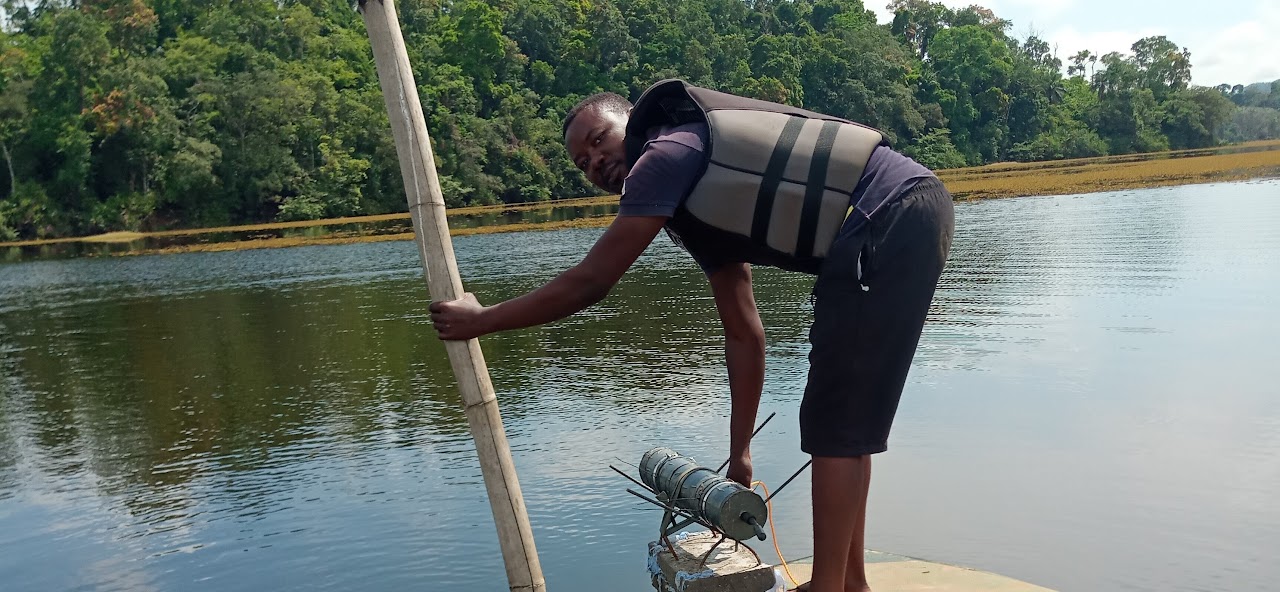
Passive acoustic recorder deployment in Lake Ossa, Cameroon
PAM deployment, Lake Ossa, Cameroon (photo: Clinton Factheu)
Key publications

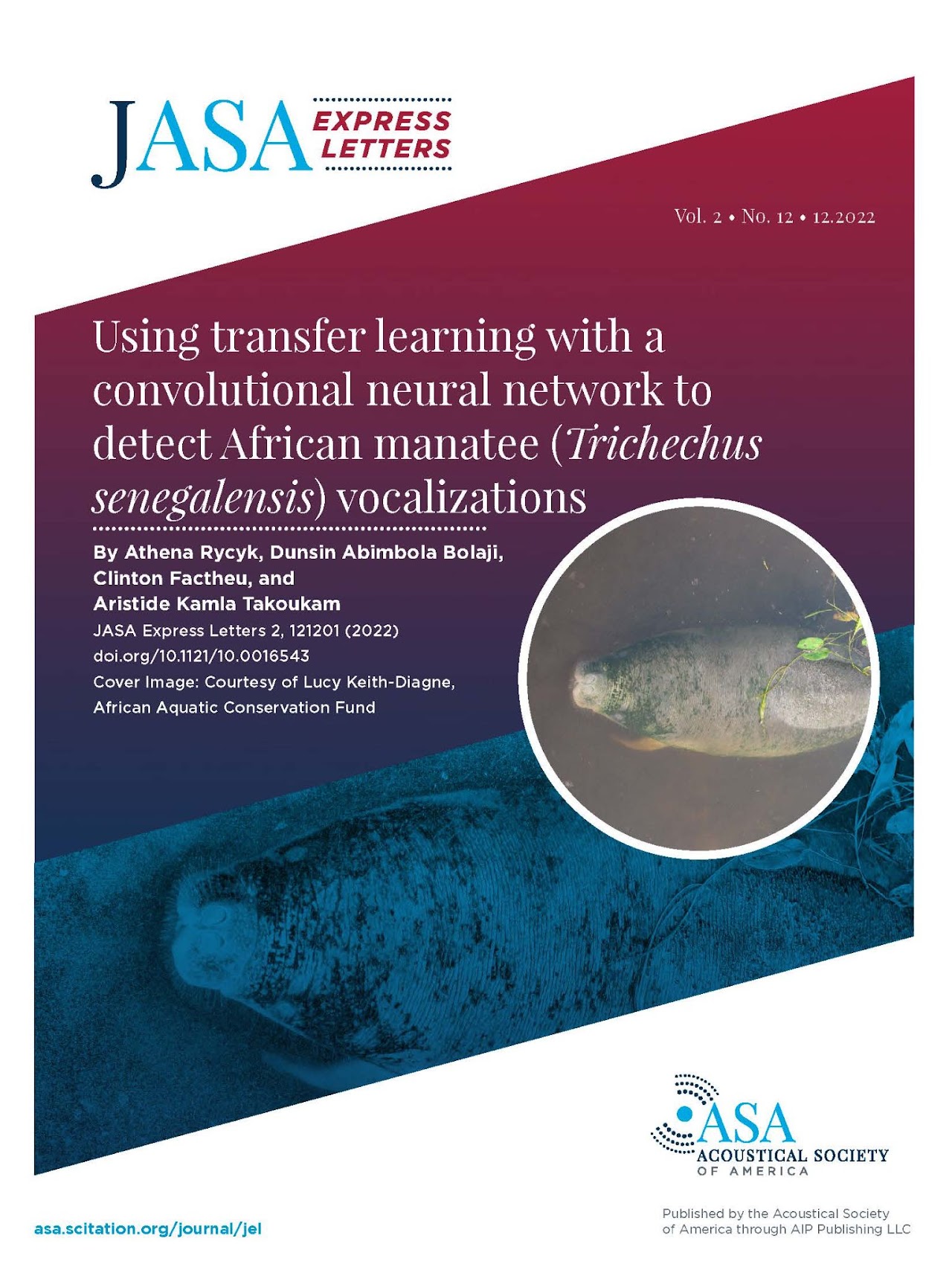
Rycyk, A., Bolaji, D., Factheu, C., Takoukam, A. (2022). Using transfer learning with a CNN to detect African manatee vocalizations. JASA Express Letters, 2(12). doi Editor's Pick · cover

Rycyk, A., Factheu, C., Ramos, E.A., et al. (2021). First characterization of vocalizations and PAM of the vulnerable African manatee. J. Acoust. Soc. Am., 150. doi

Factheu, C., Rycyk, A., et al. (2023). Acoustic methods improve detection of the endangered African manatee. Frontiers in Marine Science, 9. doi

Machine learning

Machine Learning for Marine Mammal Detection

The lab designs and trains convolutional neural networks using transfer learning to automate detection of marine mammal vocalizations across large, multi-location acoustic datasets.

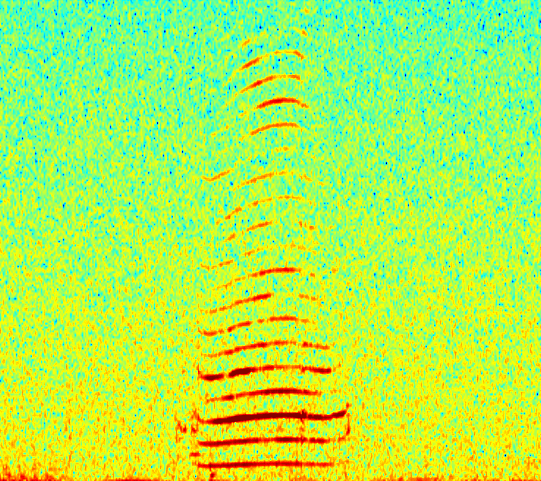
Current work Cross-location generalization of CNN detectors across seven sites in West Africa and Florida: location-specific noise injection combined with a BirdNET / MobileNet / PANNs ensemble recovers performance under domain shift (manuscript in preparation). Acoustic individual identification and calf vocalization detection for population monitoring.
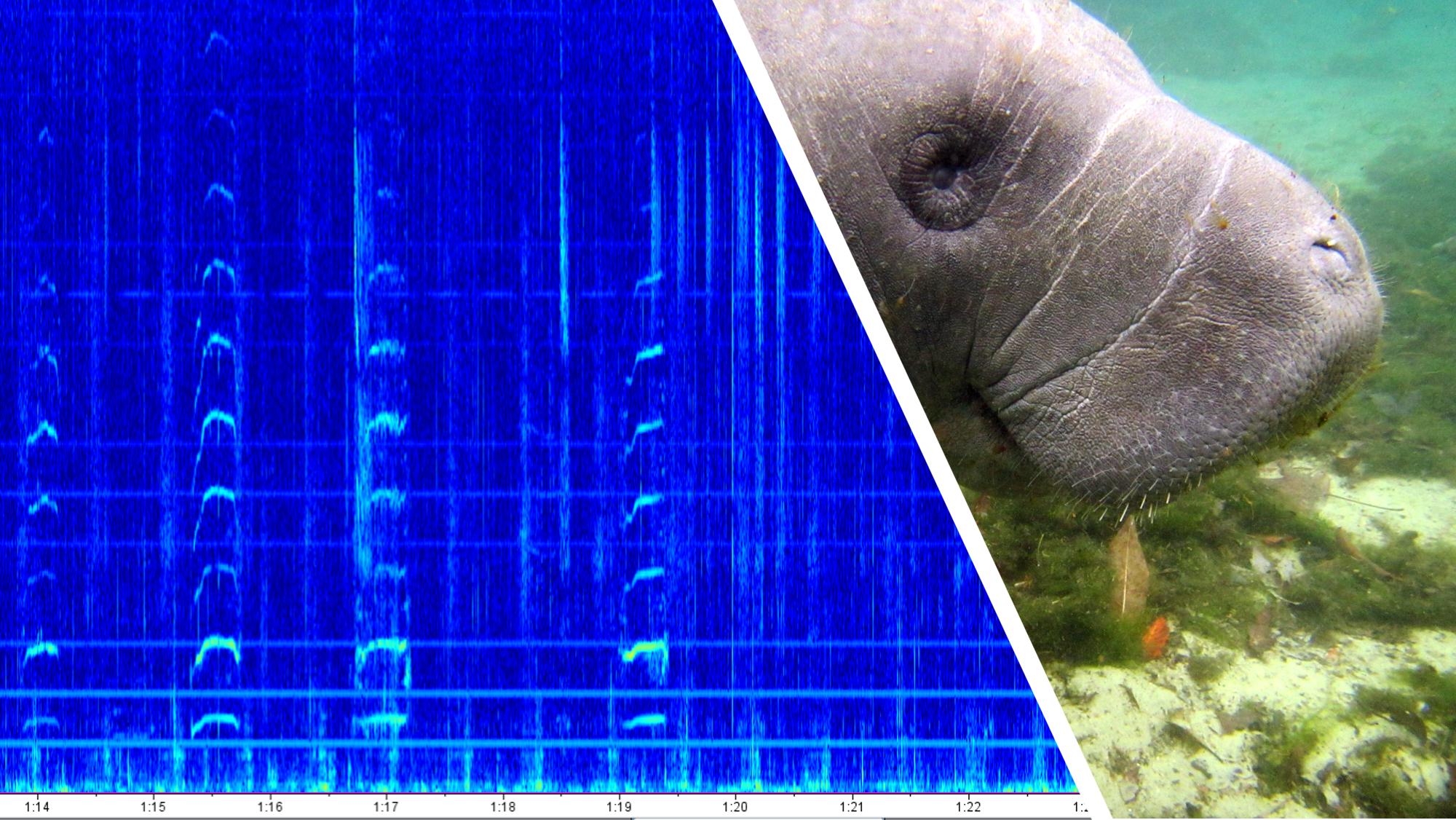
Spectrogram of Florida manatee vocalizations
Spectrogram, Florida manatee vocalizations
Key publications

Rycyk, A. et al. (2022). Transfer learning with a CNN for African manatee detection. JASA Express Letters, 2(12). doi

Quiros-Corella, F., Rycyk, A., Brady, B., Cubero-Pardo, P. (2026). Benchmarking an integrated deep learning pipeline for robust detection and individual counting of the Greater Caribbean manatee. Applied Sciences, 16(5):2446. doi

Soundscapes

Sarasota Bay Listening Network

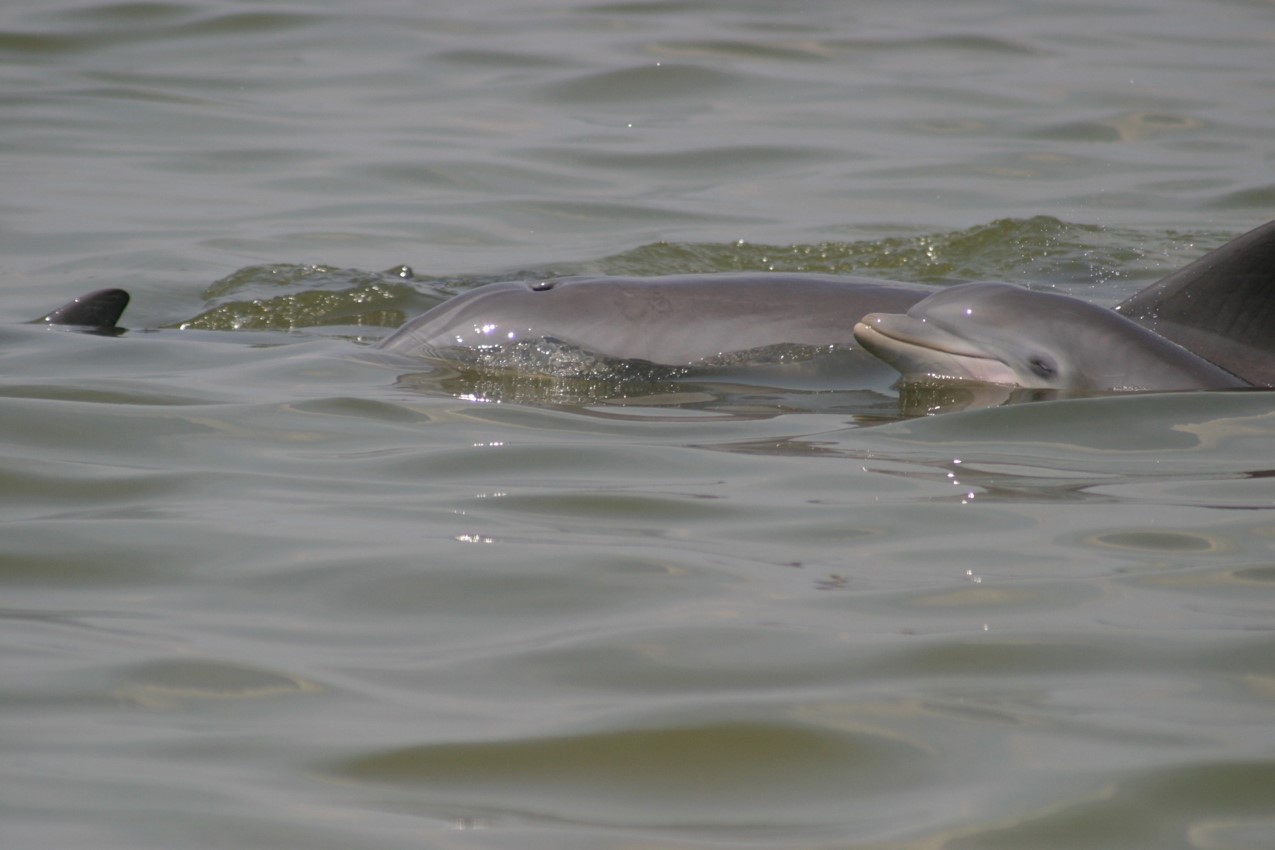
Sound travels farther and faster in water than in air, and many marine organisms use sound to communicate or sense their environment. The Sarasota Bay Listening Network records the full underwater soundscape from solar-powered, land-based stations, capturing dolphin calls, manatee vocalizations, fish choruses, and vessel noise.

Current work The network is expanding, with real-time detection of dolphins and manatees being tested across station deployments.
Bottlenose dolphin, Sarasota Bay
Key publications

Rycyk, A.M. & Tyson Moore, R.B. (co-first), Wells, R.S., et al. (2020). PALS show rapid onset of ecological effects of harmful algal blooms in real time. Scientific Reports, 10:17863. doi

Longden, E.G., Gillespie, D., Mann, D.A., McHugh, K.A., Rycyk, A.M., et al. (2022). Comparison of the marine soundscape before and during the COVID-19 pandemic in Sarasota Bay. J. Acoust. Soc. Am., 152. doi

Cognition & risk

Manatee-Boat Collisions

Boat collisions account for a majority (53%) of adult Florida manatee mortality. As the reproductively active segment of the population, adults are central to the species' long-term persistence. The lab investigates how manatees behave during boat approaches, the acoustically complicated situations they face, and why they may fail to avoid vessels even when those vessels are audible, integrating laboratory and field studies through a cognitive framework.

Current work Applying cognitive frameworks to understand avoidance failure; integrating cross-disciplinary findings to inform management of boat-collision risk.
Florida manatee
Florida manatee (Trichechus manatus latirostris)
Key publications

Bauer, G., Deutsch, C., Reep, R., Fellner, W., Gunnars, T., Cook, P., Harley, H., Rycyk, A. (2026). Cognition as a conservation tool: Florida manatees and boat strikes. Marine Mammal Science, 42(2), e70176. doi

Rycyk, A.M., Deutsch, C.J., Barlas, M.E., et al. (2018). Manatee behavioral responses to boats. Marine Mammal Science, 34. doi Top 10% downloaded 2018–19

Rycyk, A.M., Bauer, G.B., Wells, R.S., Gaspard III, J.C., Mann, D.A. (2022). Influence of background noise on Florida manatee detection of boat noise and vocalizations. PLoS ONE, 17(5). doi

/ Upcoming

Opening a new direction

An incoming research thread, developing a cost-effective, scalable monitoring plan for protected species at the Gulf's first offshore finfish net-pen project.

Protected species monitoring for offshore aquaculture

The lab will lead a study of how dolphins and other marine wildlife use offshore habitats around the Velella Epsilon project, the first offshore finfish net-pen of its kind in the Gulf, deployed approximately 45 miles southwest of Sarasota. Surveys before, during, and after the year-long deployment will characterize use of the site by bottlenose and Atlantic spotted dolphins and produce a scalable monitoring plan transferable to future offshore aquaculture projects. Conducted in collaboration with NOAA Fisheries and Ocean Era, Inc., with graduate student-led thesis components.

Award$331,274. NOAA Sea Grant (Sept 2025)
RolePrincipal Investigator
PartnersNOAA Fisheries · Ocean Era, Inc.
SiteVelella Epsilon, Gulf
/ Contact
Office
Caples Hall 203
New College of Florida
5800 Bay Shore Rd
Sarasota, FL 34243
Phone
(941) 487-4937
Peer-reviewed work

Publications

Peer-reviewed articles, conference papers, and published datasets in marine bioacoustics, machine learning for species detection, and conservation behavior.

Selected work

Highlighted

Papers that capture the lab's main contributions across passive acoustic monitoring, machine learning for marine mammal detection, soundscape ecology, and conservation behavior.

Cognition & conservation · 2026

Cognition as a Conservation Tool: A Case Study of Florida Manatees and Boat Strikes

Reframes the manatee-boat collision problem through learning, perception, and decision-making. Proposes cognitive frameworks as a complement to acoustic and behavioral approaches in conservation.

Bauer, G., Deutsch, C., Reep, R., Fellner, W., Gunnars, T., Cook, P., Harley, H., and Rycyk, A. · Marine Mammal Science, 42(2), e70176
Machine learning · West Africa · 2022

Using transfer learning with a CNN to detect African manatee vocalizations

First CNN-based automated detector for the vulnerable African manatee. JASA Express Letters Editor's Pick and journal cover.

Rycyk, A., Bolaji, D., Factheu, C., and Takoukam, A. · JASA Express Letters, 2(12), 121201 Editor's Pick · Cover
Acoustic monitoring · 2022

Estimating Florida manatee abundance using passive acoustic methods

Acoustic cue-rate framework for non-invasive abundance estimation of Florida manatees from PAM data. Foundation for ongoing development of an open-source abundance estimator.

Rycyk, A. M., Berchem, C., and Marques, T. A. · JASA Express Letters, 2(5), 051202
Soundscapes · HABs · 2020

Passive acoustic listening stations show rapid onset of ecological effects of harmful algal blooms in real time

Demonstrates that the Sarasota Bay PALS network can detect HAB-driven shifts in fish chorus composition before traditional surveys register them.

Rycyk, A. M. and Tyson Moore, R. B. (co-first authors), Wells, R. S., McHugh, K. A., Berens McCabe, E. J., and Mann, D. A. · Scientific Reports, 10:17863 Co-first author
Boat collisions · 2018

Manatee behavioral responses to boats

First systematic field study of how Florida manatees behave when boats approach. Establishes the empirical basis for current cognitive and acoustic work on collision risk.

Rycyk, A. M., Deutsch, C. J., Barlas, M. E., Hardy, S., Frisch, K., Leone, E. H., and Nowacek, D. P. · Marine Mammal Science, 34: 924–962 Top 10% downloaded 2018–19
West Africa · 2021

First characterization of vocalizations and passive acoustic monitoring of the vulnerable African manatee

Establishes the baseline acoustic repertoire for a species with virtually no prior bioacoustic study. Enables all subsequent monitoring and detection work for the species.

Rycyk, A., Factheu, C., Ramos, E. A., Brady, B., Kikuchi, M., Nations, H., Kapfer, K., Hampton, C., Garcia, E., and Takoukam Kamla, A. · J. Acoust. Soc. Am., 150, 3028–3037
In press & accepted

Forthcoming

2026in press
  • Roy, T., Farmer, W., Jackson, S., Skripnikov, and Rycyk, A. (accepted). Merging Threats, Merging Worlds: A Unified VR Simulation for Manatee Conservation. IEEE International Conference on Advanced Learning Technologies.
Full list

Peer-reviewed articles

2026
  • Bauer, G., Deutsch, C., Reep, R., Fellner, W., Gunnars, T., Cook, P., Harley, H., and Rycyk, A. (2026). Cognition as a Conservation Tool: A Case Study of Florida Manatees and Boat Strikes. Marine Mammal Science, 42(2), e70176. doi.org/10.1111/mms.70176
  • Quiros-Corella, F., Rycyk, A., Brady, B., and Cubero-Pardo, P. (2026). Benchmarking an Integrated Deep Learning Pipeline for Robust Detection and Individual Counting of the Greater Caribbean Manatee. Applied Sciences, 16(5), 2446. doi.org/10.3390/app16052446
  • Bauer, G., Cook, P., Harley, H., ...Rycyk, A.... (2026). Exploring Marine Mammal Cognition as a Conservation Tool. Marine Mammal Science, 42:e70114. doi.org/10.1111/mms.70114
2025
  • Roy, T., Wills, A., Skripnikov, A., and Rycyk, A. (2025). Immersive Conservation: Leveraging Virtual Manatees to Promote Manatee Conservation Awareness Among K-12 Students. In J.Y.C. Chen and G. Fragomeni (Eds.), Virtual, Augmented and Mixed Reality (Vol. 15789, pp. 73–95). Springer Nature. doi.org/10.1007/978-3-031-93712-5_5
  • Quiros-Corella, F., Cubero-Pardo, P., Rycyk, A., Brady, B., et al. (2025). An Effective Artificial Intelligence Pipeline for Automatic Manatee Count Using their Tonal Vocalizations. In Progress in Pattern Recognition, Image Analysis, Computer Vision, and Applications, Springer Nature 15369, pp. 30–44. doi.org/10.1007/978-3-031-76604-6_3
2023
  • Factheu, C., Rycyk, A., Sevilor, K., Keith-Diagne, L., Ramos, E. A., Kikuchi, M., and Takoukam Kamla, A. (2023). Acoustic methods improve the detection of the endangered African manatee. Frontiers in Marine Science, 9:1032464. doi.org/10.3389/fmars.2022.1032464
2022
  • Rycyk, A., Bolaji, D., Factheu, C., and Takoukam, A. (2022). Using transfer learning with a convolutional neural network to detect African manatee (Trichechus senegalensis) vocalizations. JASA Express Letters, 2(12), 121201. Editor's Pick · Journal cover doi.org/10.1121/10.0016543
  • Longden, E. G., Gillespie, D., Mann, D. A., McHugh, K. A., Rycyk, A. M., Wells, R. S., and Tyack, P. L. (2022). Comparison of the marine soundscape before and during the COVID-19 pandemic in dolphin habitat in Sarasota Bay, FL. J. Acoust. Soc. Am., 152, 3170–3185. doi.org/10.1121/10.0015366
  • Rycyk, A. M., Berchem, C., and Marques, T. A. (2022). Estimating Florida manatee (Trichechus manatus latirostris) abundance using passive acoustic methods. JASA Express Letters, 2(5), 051202. doi.org/10.1121/10.0010495
  • Rycyk, A. M., Bauer, G. B., Wells, R. S., Gaspard III, J. C., and Mann, D. A. (2022). The influence of variations in background noise on Florida manatee (Trichechus manatus latirostris) detection of boat noise and vocalizations. PLoS ONE, 17(5), e0268513. doi.org/10.1371/journal.pone.0268513
  • Walsh, Z. C., Olson, H., Clendening, M., and Rycyk, A. M. (2022). Social Behavior Deficiencies in Captive American Alligators (Alligator mississippiensis). Journal of Zoological and Botanical Gardens, 3, 131–146. Featured Paper doi.org/10.3390/jzbg3010011
2021
  • Rycyk, A., Factheu, C., Ramos, E. A., Brady, B., Kikuchi, M., Nations, H., Kapfer, K., Hampton, C., Garcia, E., and Takoukam Kamla, A. (2021). First characterization of vocalizations and passive acoustic monitoring of the vulnerable African manatee (Trichechus senegalensis). J. Acoust. Soc. Am., 150, 3028–3037. doi.org/10.1121/10.0006734
2020
  • Rycyk, A. M. and Tyson Moore, R. B. (co-first authors), Wells, R. S., McHugh, K. A., Berens McCabe, E. J., and Mann, D. A. (2020). Passive acoustic listening stations (PALS) show rapid onset of ecological effects of harmful algal blooms in real time. Scientific Reports, 10:17863. Co-first authors doi.org/10.1038/s41598-020-74647-z
2018
  • Rycyk, A. M., Deutsch, C. J., Barlas, M. E., Hardy, S., Frisch, K., Leone, E. H., and Nowacek, D. P. (2018). Manatee behavioral responses to boats. Marine Mammal Science, 34: 924–962. Top 10% downloaded 2018–19 doi.org/10.1111/mms.12491
2016
  • Martin, J., Sabatier, Q., Gowan, T. A., Giraud, C., Gurarie, E., Calleson, C. S., Ortega-Ortiz, J. G., Deutsch, C. J., Rycyk, A. M., and Koslovsky, S. (2016). A quantitative framework for investigating risk of deadly collisions between marine wildlife and boats. Methods in Ecology and Evolution, 7: 42–50. doi.org/10.1111/2041-210X.12447
Open data

Published datasets

Curated bioacoustic datasets released for the marine mammal and machine learning communities.

Year
2025
Repository
Environmental Data Initiative
Coverage
2020–2022

Bioacoustic dataset of African and Florida manatee vocalizations for machine learning applications

Rycyk, A., Cargille, V., Bolaji, D., Factheu, C., Ejimadu, U., Berchem, C., and Takoukam Kamla, A. (2025).

Annotated vocalizations of African (Trichechus senegalensis) and Florida (T. manatus latirostris) manatees from multiple field sites, packaged for training and benchmarking machine learning detectors.

Author name in bold indicates the lab. Annotations note co-first authorship, journal recognition, and download metrics where applicable.
M.S. in Marine Mammal Science

Graduate Program

A two-year, research-based master's program at New College of Florida. Combines rigorous coursework with hands-on research and close faculty mentorship on Sarasota Bay.

About the program

M.S. in Marine Mammal Science (MIMMS)

The Master's in Marine Mammal Science at New College of Florida is an intensive, two-year research-based program offering students a unique opportunity to conduct publication-quality research on marine mammals. Located on Sarasota Bay, the program combines rigorous coursework with hands-on research and close faculty mentorship.

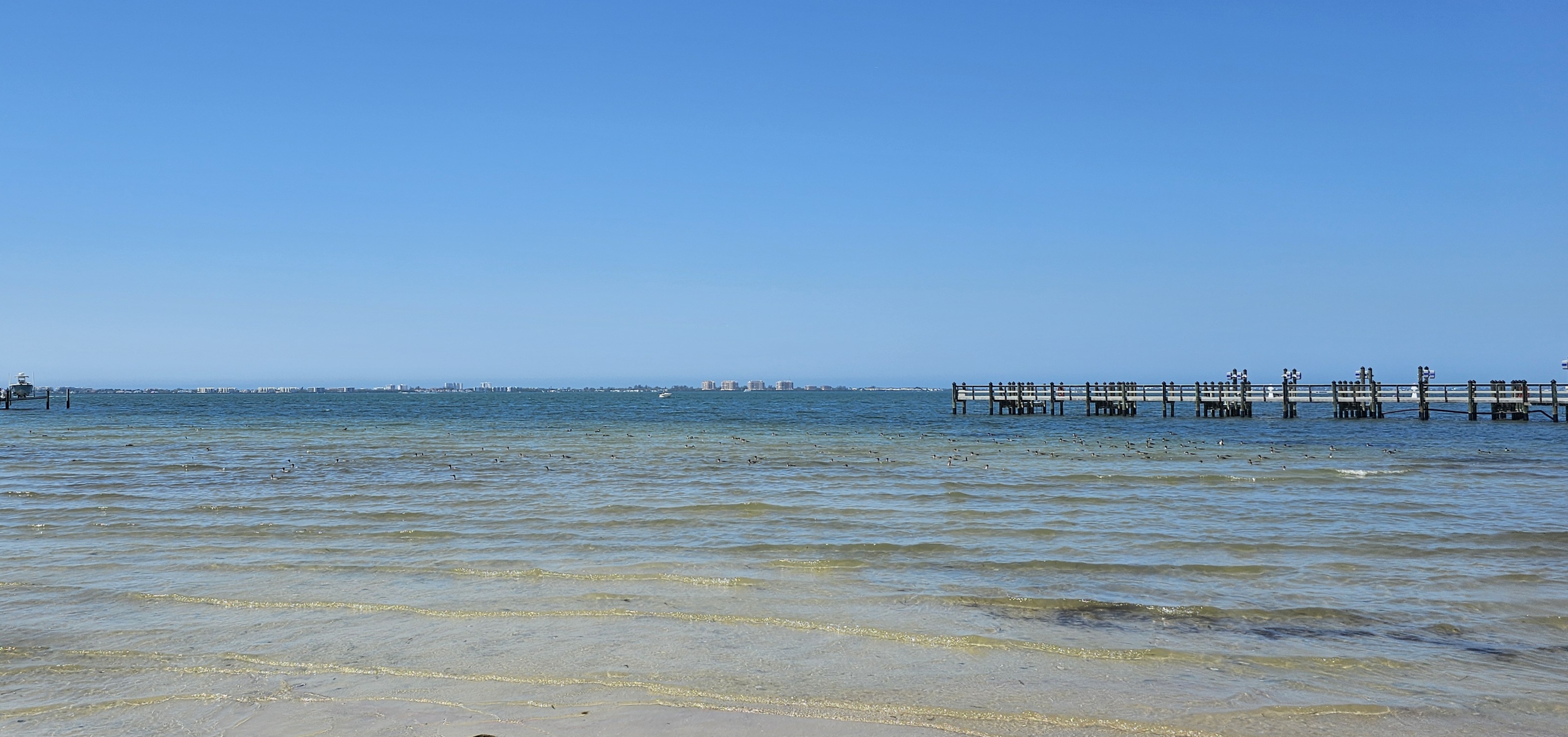
Sarasota Bay
Lab members

Current students

Master's students currently working in the Rycyk Lab.

TF

Tyler Fortune

M.S. candidate, Marine Mammal Science

Manatee presence at seagrass restoration sites via passive acoustic monitoring.

VC

Vivian Cargille

M.S. candidate, Marine Mammal Science

Cross-location generalization of CNN detectors for manatee vocalizations across seven sites in West Africa and Florida. Uses location-specific noise injection and a BirdNET / MobileNet / PANNs ensemble to recover detection performance on novel acoustic environments.

HW

Helena Wood-Barron

M.S. candidate, Marine Mammal Science

Geographic variation in African manatee (Trichechus senegalensis) vocalizations across Cameroon, Nigeria, Senegal, Benin, and the Republic of Congo.

JL

Jenny Lee

M.S. candidate, Marine Mammal Science

Project description forthcoming.

AL

Addison Love

M.S. candidate, Marine Mammal Science

Project description forthcoming.

JS

Jordan Spencer

M.S. candidate, Marine Mammal Science

Project description forthcoming.

AD

Alex Demetropoulos

M.S. candidate, Marine Mammal Science

Project description forthcoming.

BL

Brianna Longo

M.S. candidate, Marine Mammal Science

Project description forthcoming.

CS

Chloe Shuskey

M.S. candidate, Marine Mammal Science

Project description forthcoming.

Prospective students

I welcome inquiries from prospective master's students interested in bioacoustics, marine mammal behavior, and machine learning for conservation.

Please reach out with a brief description of your research interests and background. The MIMMS application portal is the formal route; an introductory email beforehand is encouraged.

  • Passive acoustic monitoring
  • Machine learning for bioacoustics
  • Marine mammal behavior and conservation
  • Soundscape ecology
Student research

Undergraduate Theses

Undergraduate thesis projects sponsored from the Rycyk Lab at New College of Florida.

2025
  • Hollick, A. A behavioral analysis of orca (Orcinus orca) attacks in the Mediterranean Sea.
  • El Halabi Sanchez, H. Do whitespotted eagle rays demonstrate prey preference?
  • Ubry, L. Evaluating the effects of coastal development on sea turtle nesting success in Southwest Florida.
2024
  • Cargille, V. New College Dolphins: Automated whistle extraction.
  • Craig, A. Exploring the impact of shark ecotourism on shark behavior and public perception.
  • Levich, J. Analysis of stress indicators in sharks in relation to capture methods.
  • Mendoza, A. Science Communication: The human connection to marine science through digital storytelling.
  • Birdsong, S. A Literature Review of Learning Capabilities in Non-Avian Reptiles.
  • Nigro, M. Enrichment responses of captive mammalian carnivores.
  • Pertler, M. Exploring the use of magnets as a form of shark deterrent in recreational fisheries.
  • Mitchell, P. A comparison of domesticated rat behavior between differing environment types.
  • Lyons, L. Quantitative analysis of freely-circulating vs. exosomal microRNAs in canine congestive heart failure.
2023
  • Wood-Barron, H. Crocodile talk: Structural analysis of American and Morelet's crocodile vocalizations in Belize.
  • Ponce, D. Identifying biomarkers of brevetoxin exposure in the Northern quahog metabolome.
  • Swartz, A. Common karp and koi coloration from cultural and scientific perspectives.
2022
  • Olson, H. Underwater sound localization in Mississippi map turtles (Graptemys pseudogeographica kohnii).
  • Gross, S. How effective are flowerpot snakes when it comes to controlling termite pest populations?
2021
  • Nations, H. Sleeping with the (cuttle)fishes: measuring sleep through arousal threshold in the dwarf cuttlefish (Sepia bandensis).
  • Kapfer, K. The phenology of humpback, blue, fin, sperm, and killer whales determined by passive acoustic monitoring near Barkley Canyon.
  • McDonnell, I. Growth patterns and the effect of pH on the Florida manatee (Trichechus manatus latirostris) vibrissae.
  • Long, M. Distribution of the Bigg's killer whale ecotype in the Salish Sea with regards to seasonality and pinniped vulnerability.
  • Garcia, E. Characteristics of wild Florida manatee (Trichechus manatus latirostris) vocalizations in different sized groups.
  • DuBree, C. Directional discrimination of goldfish conditioned under pure blue to pure green light spectrum.
2020
  • Dina, V. The underwater vocal repertoire of the North American river otter.
Coursework & field programs

Teaching

Courses spanning marine mammal biology, bioacoustics, animal behavior, ecology, and environmental science, from first-year seminars to graduate research courses.

Current & recent

Courses at New College of Florida

Includes introductory, advanced, and graduate-level offerings. New courses marked in teal.

Practical AI for Researchers — new, graduate
Seminar in Marine Mammal Science
Marine Mammal Biology
Marine Mammal Behavior
Research Methods in Biology
Research Methods: Ecology, Acoustics, and Field
Analysis of Manatee Mortality Events
Lab in Field of Study: Manatee Behavior and Conservation
Animal Behavior (Lecture and Lab)
Conservation Behavior
Marine Ecology Laboratory
Foundations of Biology I
Introduction to Environmental Studies
First Year Seminar: The Inquisitive Scientist
Immersive programs

Field & immersive courses

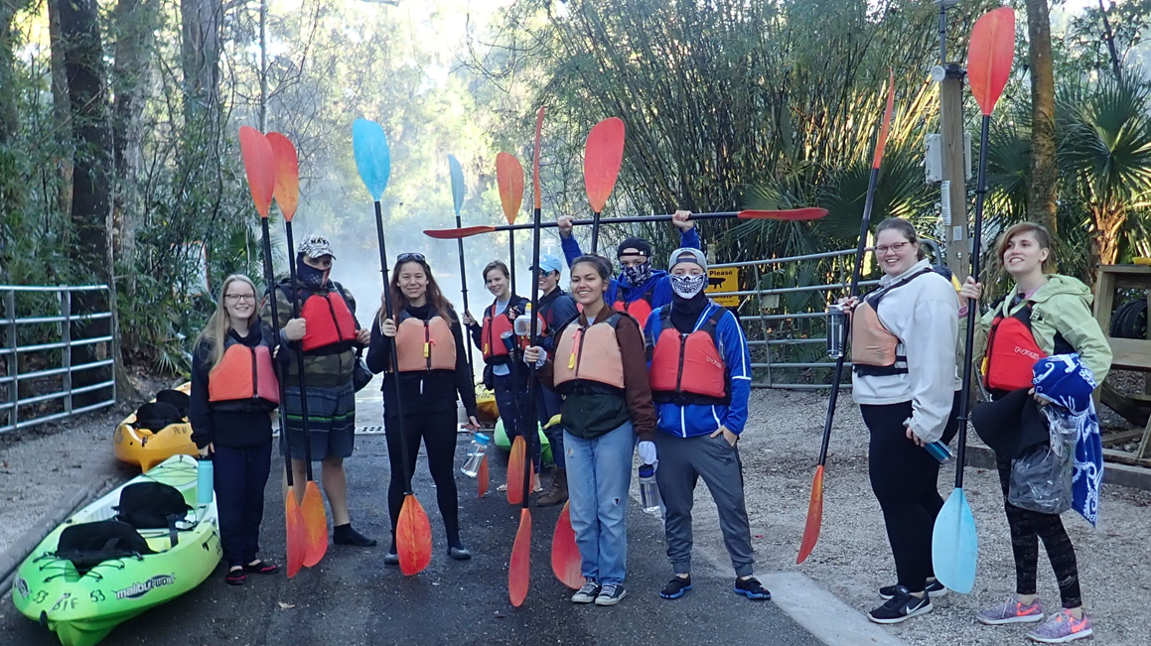
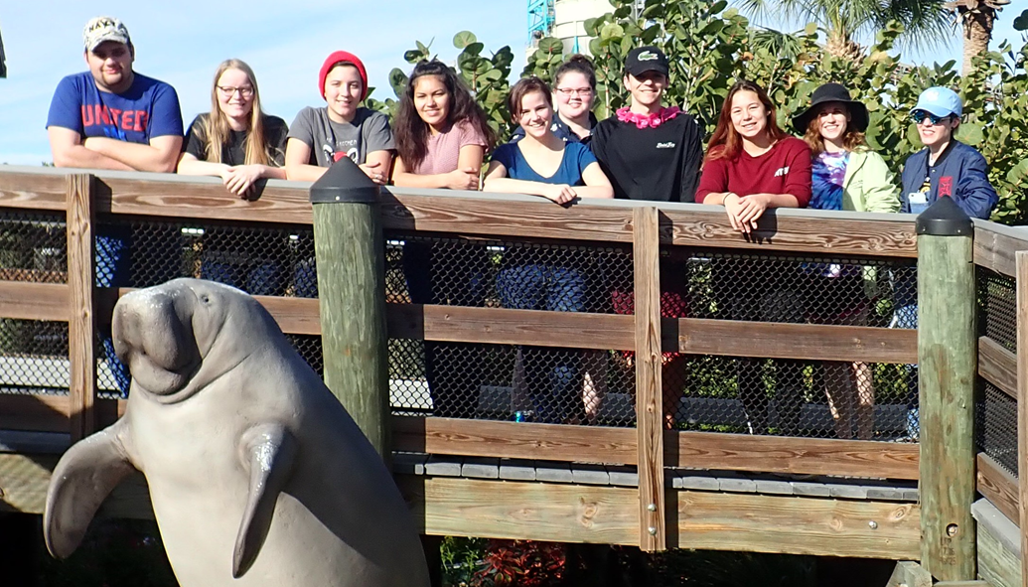
Students kayaking in Sarasota Bay TECO Manatee Viewing Center

Acoustical Ecology of Sarasota Bay

January 2019, New College of Florida. Students examined sound-producing species in Sarasota Bay, built a sound identification guide, and analyzed recordings from the Sarasota Bay Listening Network. Field trips included Loggerhead Instruments, manatee observation at Weeki Wachee, and the Manatee Viewing Center at the Big Bend Power Station.

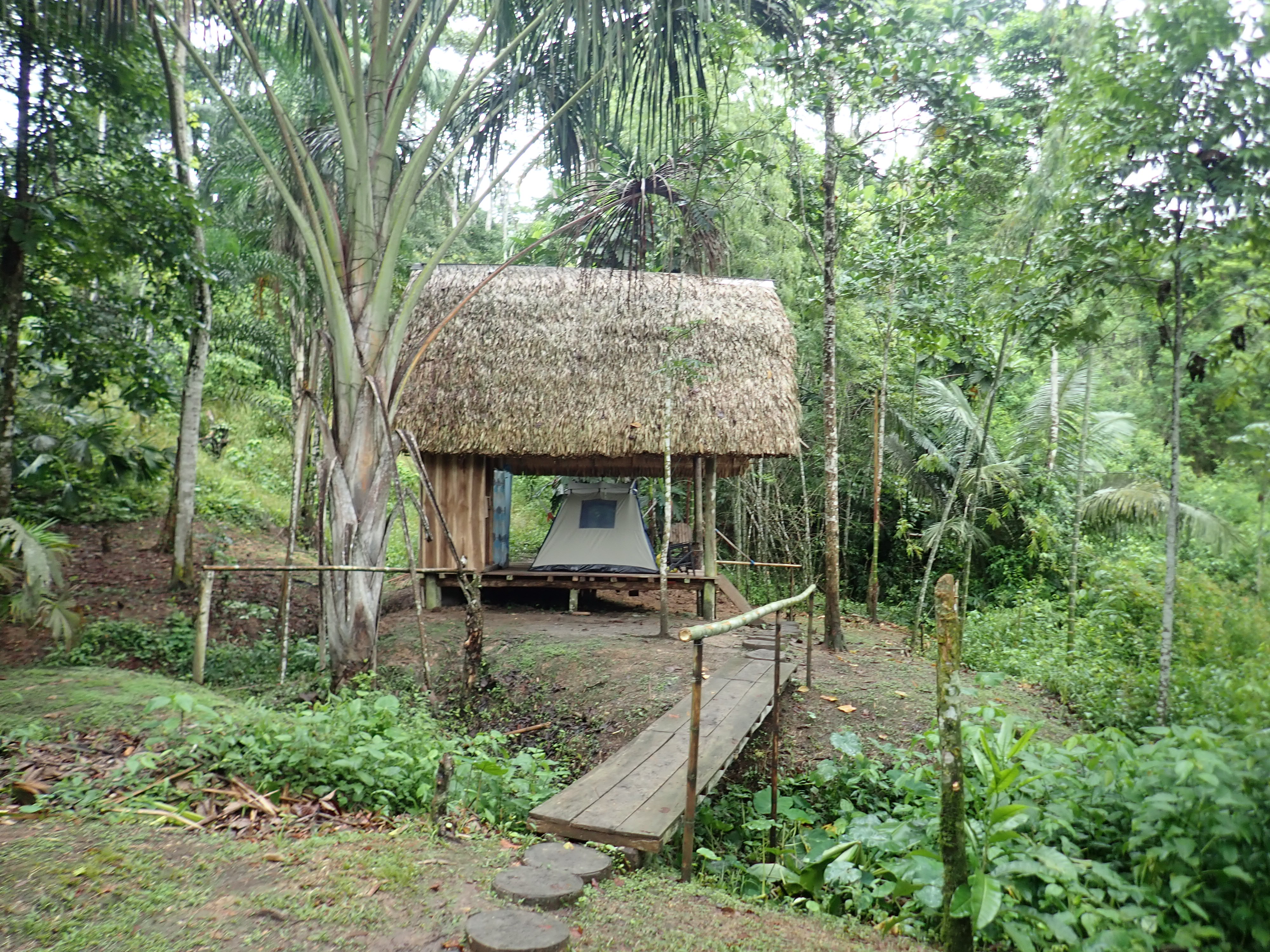
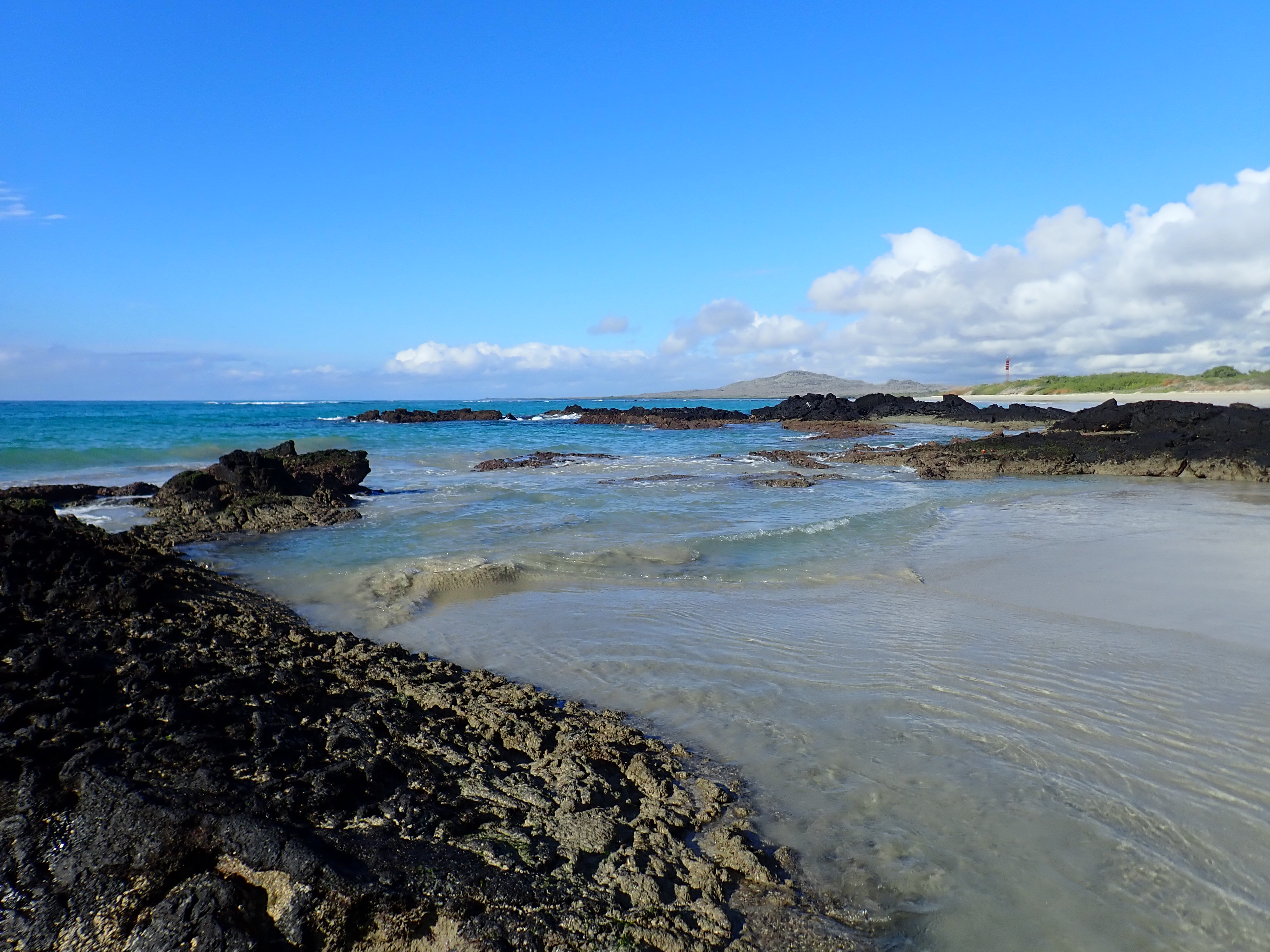
Yasuni National Park, Ecuador Isabela Island, Galapagos

Natural History of the Galapagos Islands and Ecuador

January 2018, Eckerd College. A three-week expedition across cloud forest, rainforest, paramo, and the Galapagos Islands, including Santa Lucia Cloud Forest Reserve, Yasuni National Park, and Isabela Island.

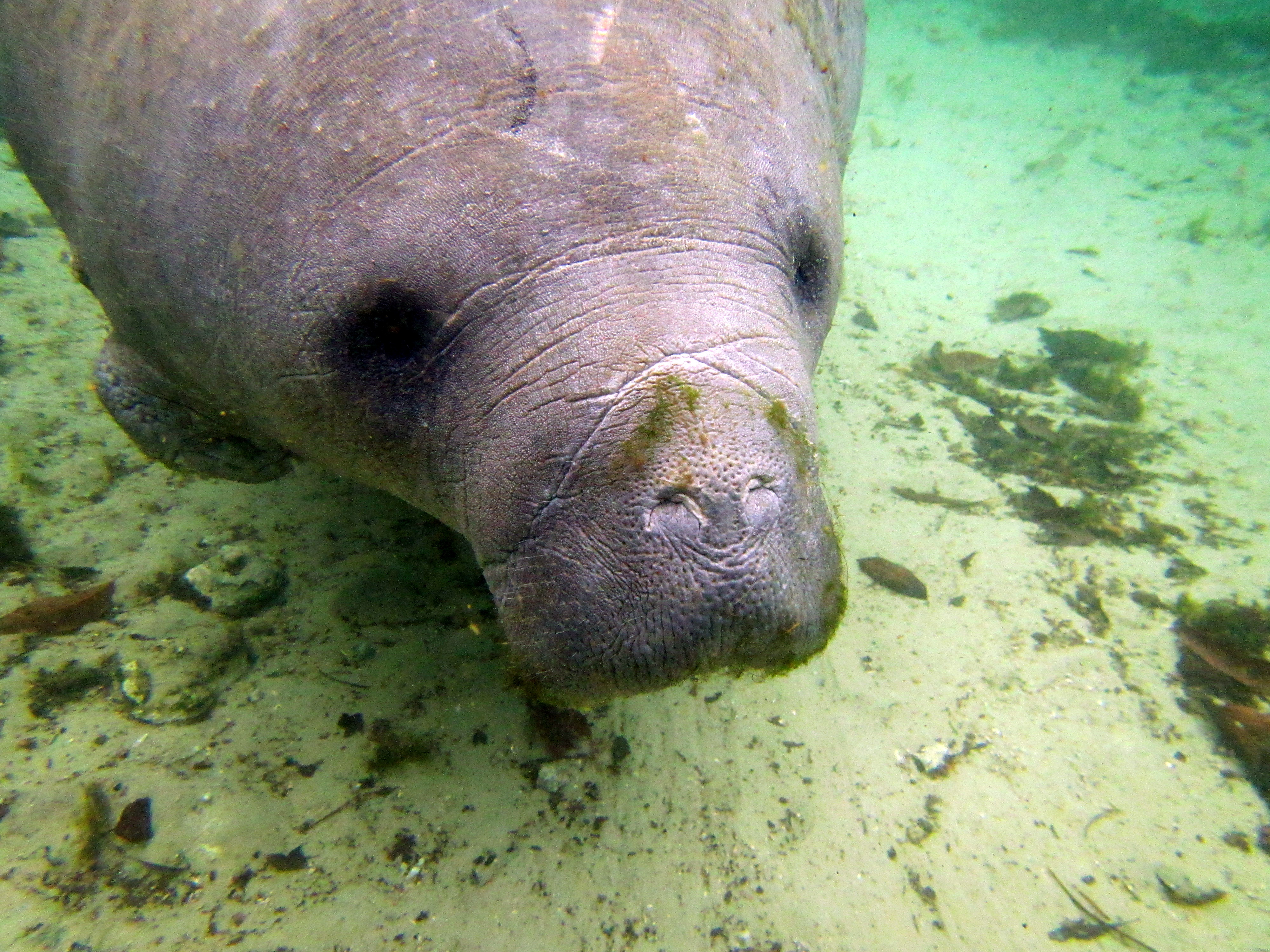
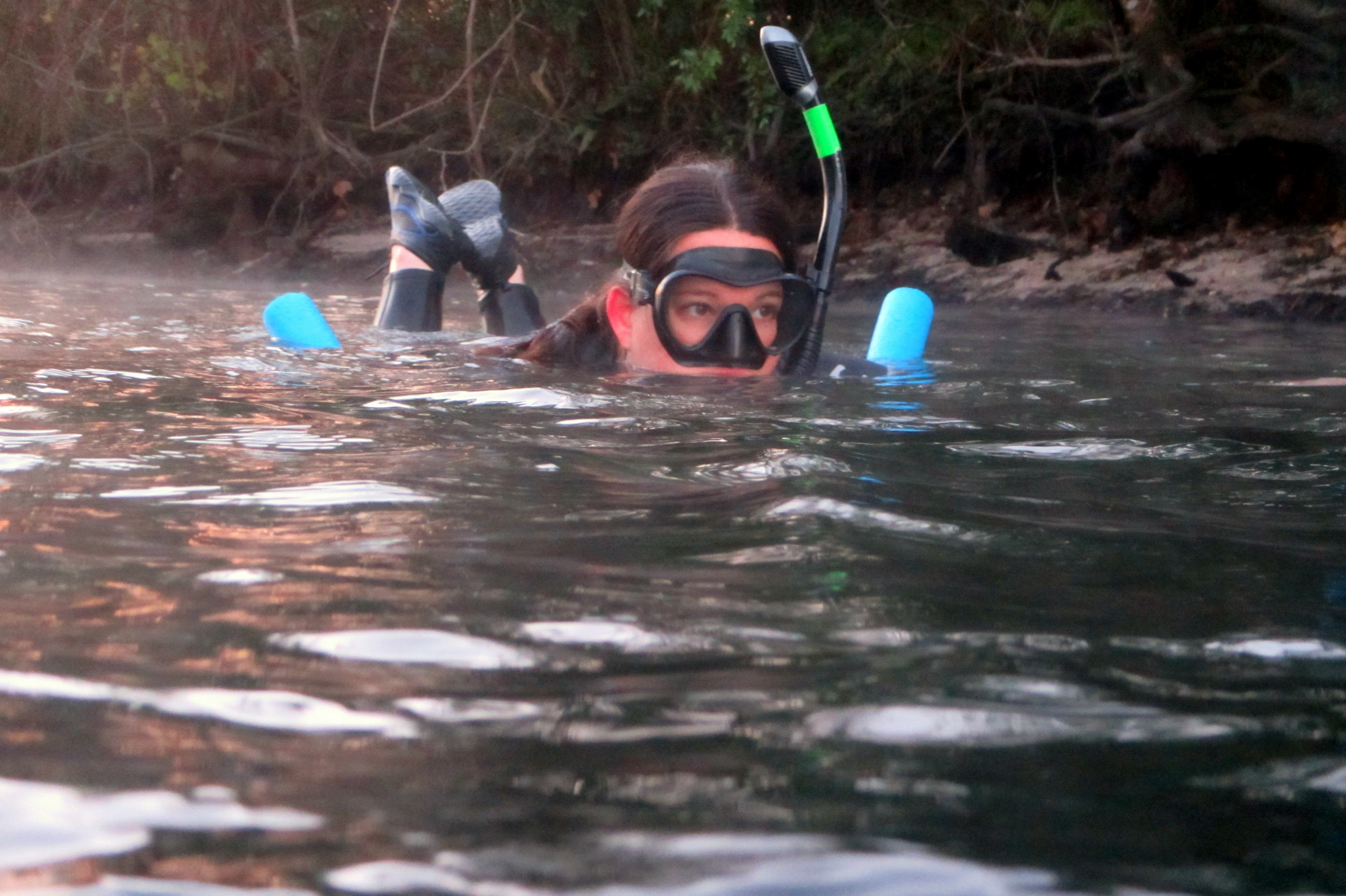
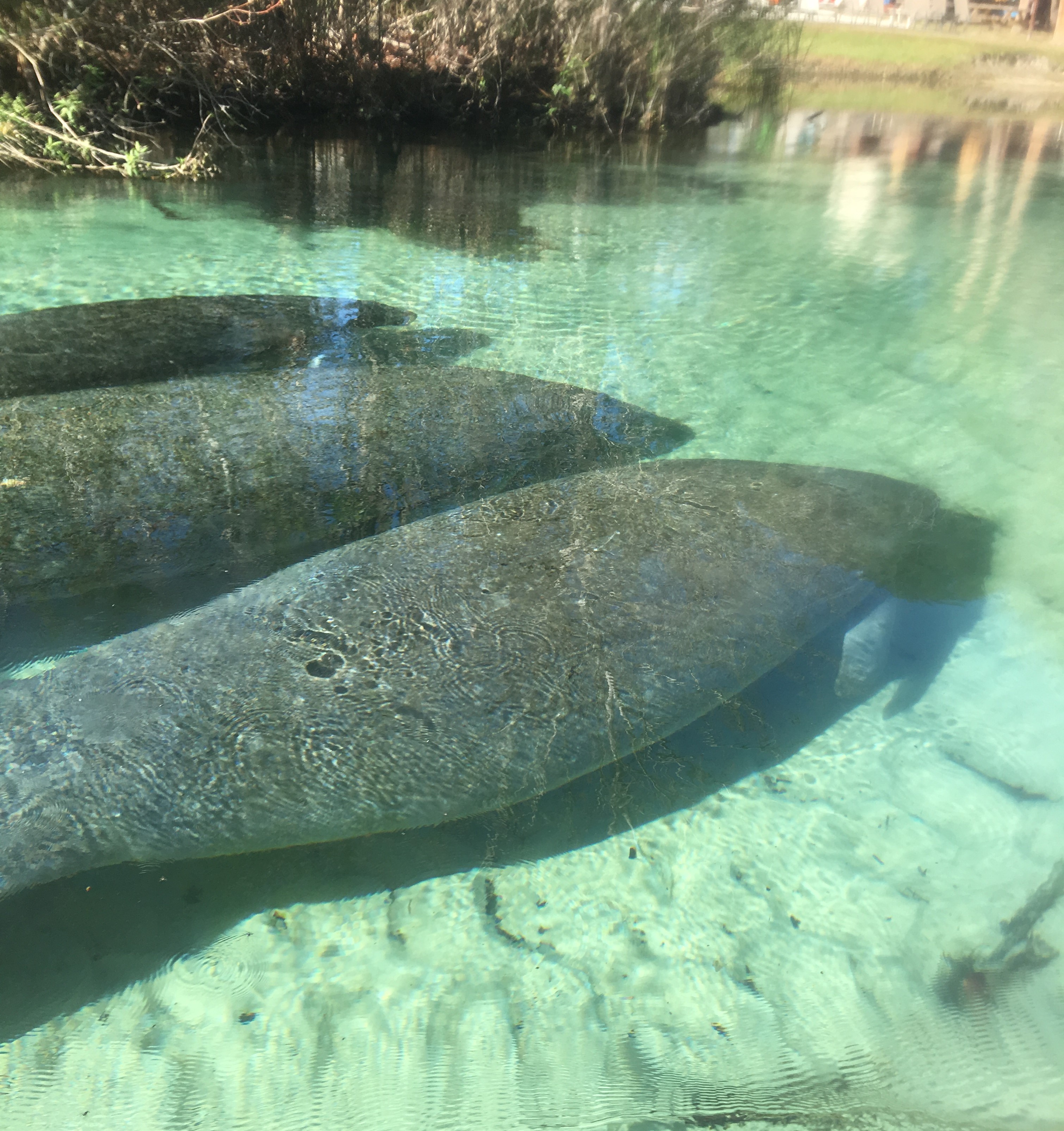
Dr. Rycyk snorkeling with manatees Three Florida manatees

Sirenian Biology

January 2016 and 2017, University of Southern Mississippi / Gulf Coast Research Laboratory. A field-intensive course attracting students from across the country. Included trips across Florida to observe wild manatees, participation in a manatee necropsy, and student-designed research projects using previously collected data.

Audio recordings

Sounds

Sounds from the lab

Sound clips

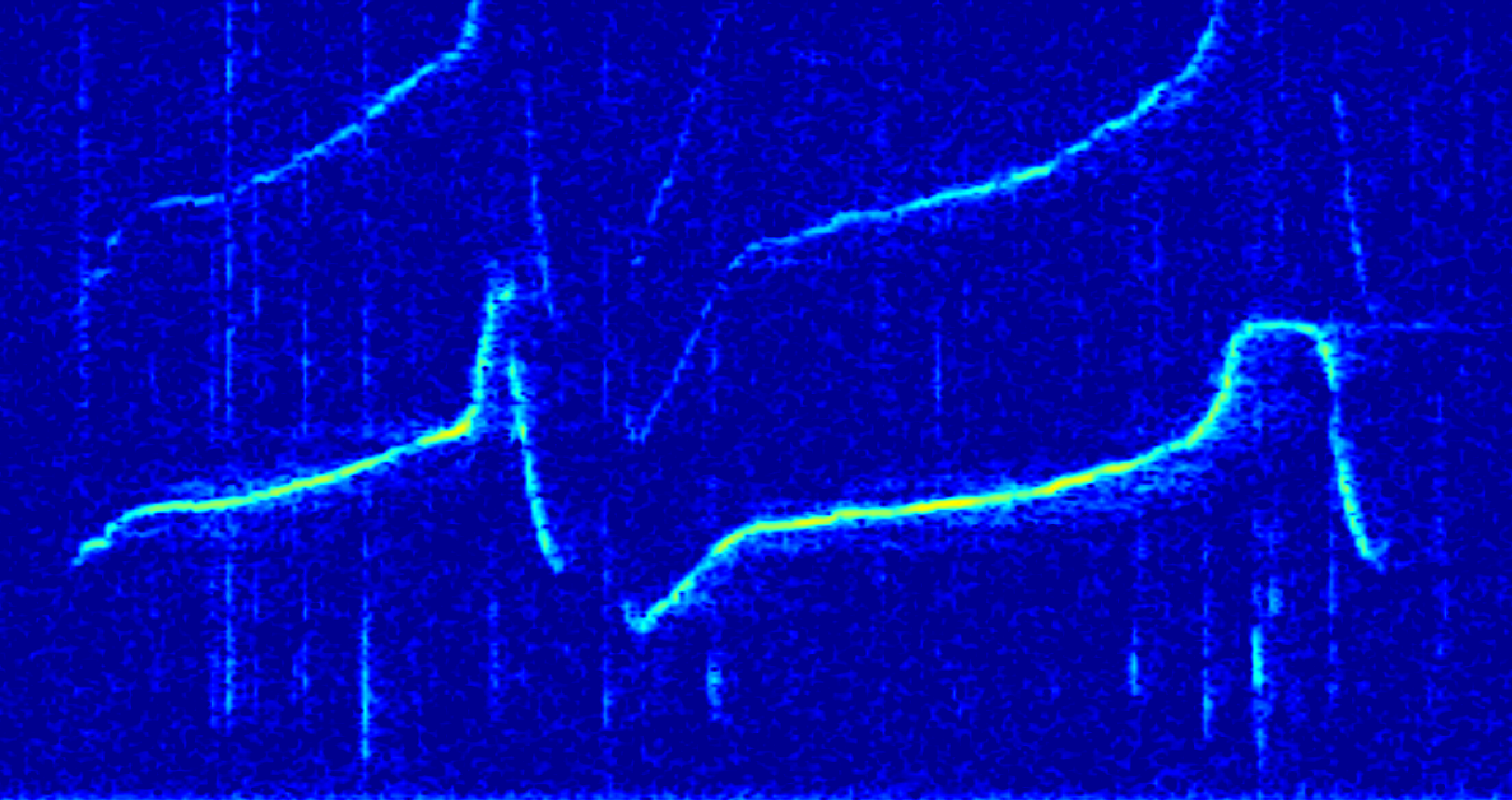
Manatee vocalization spectrogram

Florida manatee vocalizations

Manatees produce short, harmonically-rich chirps and squeaks in social contexts. Multiple manatees vocalizing back and forth.

Dolphin signature whistle spectrogram

Dolphin signature whistle — Maddie

Individual bottlenose dolphins (Tursiops truncatus) have unique signature whistles. This is Maddie, a resident of Sarasota Bay who regularly visits the New College acoustic station.

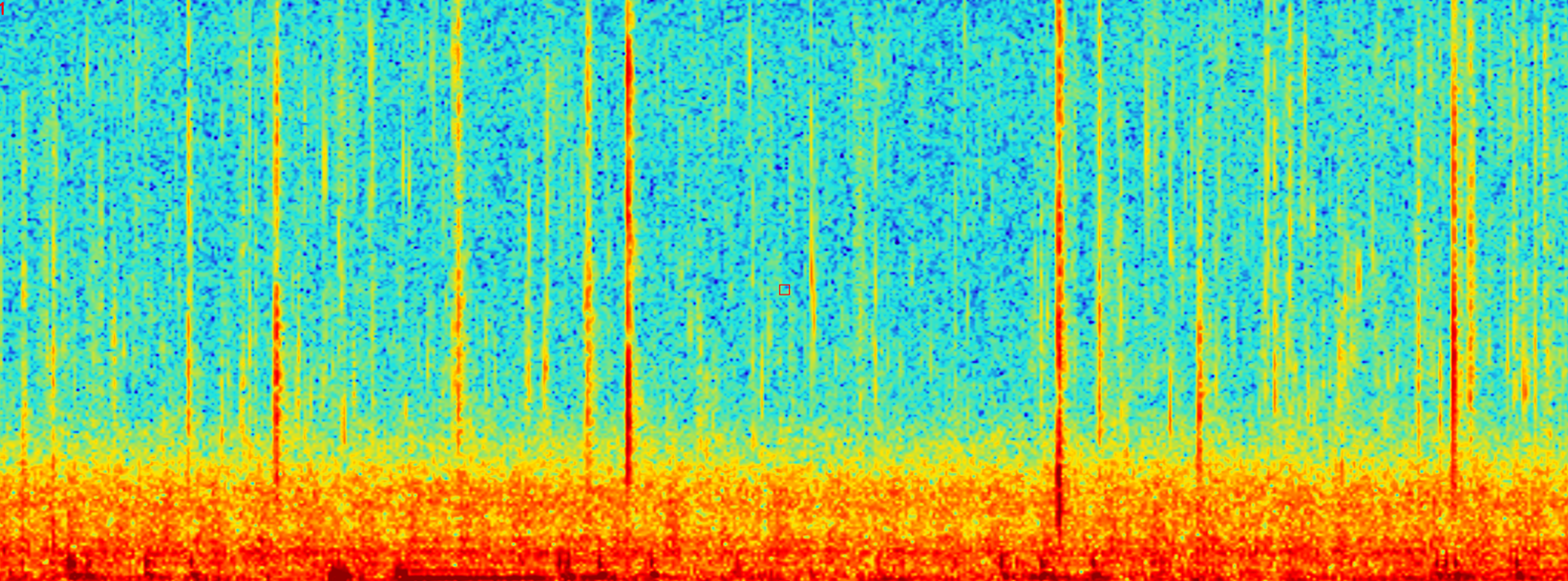
Multi-species fish chorus spectrogram

Multi-species fish chorus — Sarasota Bay

A recording from the Sarasota Bay Listening Network capturing the evening fish chorus.

Background & biography

About

Associate Professor of Marine Mammal Science and Biology at New College of Florida.

Biography

Athena Rycyk, Ph.D.

I am an Associate Professor of Marine Mammal Science and Biology at New College of Florida, where I have been on faculty since 2015. I earned my Ph.D. and M.S. in Biological Oceanography from Florida State University (advisor: Doug Nowacek) and my B.A. in Biological Psychology from New College of Florida.

My research spans marine bioacoustic monitoring, behavioral ecology, cognitive approaches to conservation, and machine learning for automated species detection. I have extensive experience in acoustic data collection, with active collaborations in the United States, Cameroon, Nigeria, Senegal, Benin, and Belize.

I am a founding faculty member of NCF's M.S. in Marine Mammal Science program.

Education
2013

Ph.D. Biological Oceanography

Florida State University — advisor Doug Nowacek
Dissertation: Manatee reactions to boats; acoustic cues in boat noise; comparison with less boat-exposed manatees in Belize
2007

M.S. Biological Oceanography

Florida State University — advisor Doug Nowacek
Thesis: Vocal behavior and soundscapes of bottlenose dolphin communities in the Big Bend region of Florida
2004

B.A. Biological Psychology

New College of Florida
Thesis: Manatee psychophysical testing: are results biased by sequence learning?
Selected grants
  • $331,274
    NOAA Sea Grant, 2025
    Development of a cost-effective and scalable protected species monitoring plan for the Velella Epsilon and future finfish aquaculture projects in the Gulf. With Powell, Feldman, Peters, and Sims.
  • $14,985
    Environmental Discovery Award, 2021
    Sarasota Bay Dolphin Acoustics.
  • $8,500
    Environmental Discovery Award, 2020
    Acoustic analysis of aquatic sound-producing organisms.
  • $3,900
    Women's Giving Circle, 2018
    Acoustic analysis software for undergraduate students.
  • $32,300
    Clearwater Marine Aquarium, 2015
    Underwater Behavioral Audiograms of Sea Turtles (Co-I).